
Retire from Work, Not Life: Your Guide to Wellness
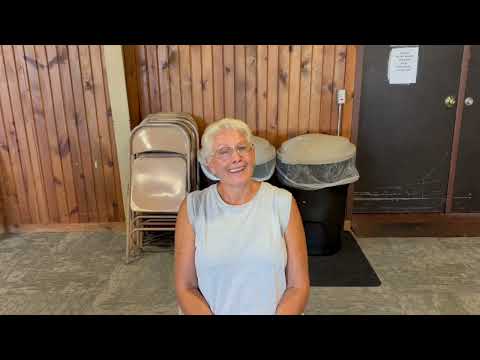
On average, Americans spend about 18 years in retirement. Whether you’re newly retired, preparing for it, or just starting to think about it, it’s never too early—or too late—to set yourself up for these great years ahead. Even if retirement isn’t in your near future, consider this a reminder: your ability to enjoy retirement the way you imagine greatly depends on the choices you make for your health today.
We’re talking about everything from financial and physical wellness to mental and spiritual well-being. Get expert advice from people who are already finding fulfillment in retirement.
Ask yourself:
- What does my ideal retirement look like?
- Do I plan to stay in my current home, downsize, or move to a new location?
- How do I prioritize health, travel, volunteering, new hobbies, and spending time with friends and family?
Financial Wellness
Your financial situation is likely the first thing on your mind, and for good reason. But true retirement readiness goes beyond just your bank account.
A personal financial audit is invaluable. Get started by considering your financial reality in retirement.
Budget
- Have you created a detailed budget for your first year of retirement? How does it compare to your pre-retirement spending?
- What will your fixed expenses be (housing, utilities, insurance)? Have you accounted for potential increases?
- What will your new elective budget look like for things like dining out, hobbies, and travel?
- Have you planned for the "unexpected" costs, like home repairs or car maintenance?
Income
- What is your estimated annual income from all sources (Social Security, pensions, 401(k)s, IRAs, etc.)?
- Have you decided when to start Social Security? What is your full retirement age, and how would delaying or starting early impact your benefits?
- Will you have any income from a part-time job or a side business?
The best way to make decisions is to meet with a qualified financial planner or tax accountant who can provide personalized guidance based on your specific situation and help you understand what you will need for retirement.
Planning for healthcare expenses
The age at which you retire can directly impact your health coverage and costs because Medicare (the federal health insurance program) is only available to people 65 and older. While some people under 65 can qualify due to certain disabilities or medical conditions, the majority must wait until they reach the age of eligibility.
If your goal is to retire before you qualify for Medicare, it's important to plan for bridging that coverage gap. Before Medicare eligibility, some alternative options include:
- Affordable Care Act: This provides financial assistance, such as premium tax credits and subsidies, to help qualifying individuals and families afford coverage purchased through the Health Insurance Marketplace.
- Consolidated Omnibus Budget Reconciliation Act (COBRA): Gives workers and their families who lose their health benefits the right to choose to continue group health benefits provided by their group health plan for limited periods of time under certain circumstances, such as voluntary or involuntary job loss, reduction in the hours worked, transition between jobs, death, divorce, and other life events. Qualified individuals may be required to pay the entire premium for coverage up to 102% of the cost of the plan.
- Possible coverage through a spouse’s plan
- Part-time job with benefits
- Health Savings Account (HSA): You can continue to use the tax-free funds from your HSA to pay for qualified medical expenses in retirement. While you can still use the money, you cannot contribute to an HSA if you are:
Enrolled in Medicare (any part)
Claimed as a dependent on someone else's tax return
Covered by any other health plan that is not a high-deductible health plan (HDHP)
We know that the health insurance world, both pre- and post-retirement, can be confusing. Resources that can help you navigate this coverage include:
- Qualified independent insurance agents who can help you find the best health insurance plan for your unique needs, before and after Medicare.
If you need specific help with Medicare, Great River Health offers free guidance to help you understand your options.
- We offer free "Welcome to Medicare" seminars in the spring for people new to the program. Our Senior Health Insurance Information Program (SHIIP) volunteers will educate you about plans, benefits, and how to avoid Medicare fraud.
- During open enrollment in the fall, our trained SHIIP volunteers provide unbiased counseling appointments to help you choose or adjust your Medicare plan for the coming year and answer any questions you may have.
“Our SHIIP program is invaluable to people turning 65 as well as existing Medicare beneficiaries. All of our volunteers are trained through the Iowa Insurance Division. Every year SHIIP volunteers complete continuing education to keep them up to date and informed about changes to better serve the clients in our communities,” explained Terra Waggener, Manager of Volunteer Services at Great River Health. During the 2024 Medicare Annual Open Enrollment, from October 15 to December 7, our SHIIP counselors helped clients save over $800,000. These savings came from finding the right insurance plans and identifying drug cost savings to meet individuals' specific needs.
Physical Wellness
When you transition into retirement and create a new schedule, it’s important to include an annual physical. Be sure to talk with your doctor about any new exercise program you plan to start so you can discuss any concerns.
According to the National Institute on Aging, it's beneficial to incorporate various types of exercise into your routine: cardio, strength, balance, and flexibility. By adding variety to your workout, you can achieve a more well-rounded fitness level, use different muscles that mimic daily movements, and prevent boredom.
Cardiovascular Activities:
- Walking or jogging
- Swimming or water aerobics
- Cycling
- Yard work, like mowing or raking
Strength Training:
- Lifting light weights or using resistance bands
- Bodyweight exercises like squats, push-ups, or sit-ups
- Using weight machines at a gym
Balance Exercises:
- Tai Chi or yoga
- Standing on one foot (if needed-holding onto a chair for support)
- Walking heel-to-toe
Flexibility Exercises:
- Stretching
- Yoga
Liz Modrell, a retired personal trainer, started a chair fitness class to help other retirees stay active. Her local group, "Well & Wise," has been meeting twice a week for 40 years at the Church of the Nazarene in Burlington.
The group, which includes more than 15 retired women, focuses on strength and balance to make daily tasks easier. Liz emphasized that staying active and maintaining your range of motion are key to retaining independence. "The first thing that tends to happen is not being able to get out of the chair anymore," she noted. "And when that happens, you can't do what you want to do."
This advice was echoed by the women in the class, from new retirees to those with decades of experience; all of them shared their best tips for a healthy retirement.
Peggy Griffin, who has been retired for 6 years, said, “A person who's in motion stays in motion. I’ve found that you don’t want to be idle and that doesn’t necessarily mean you have to exercise every single day -- but find things you enjoy, even if it’s being outside working in your garden. Group workout classes have given me the energy I need.”
"I like walking, and I like this class because it involves all of our muscles. I just try to keep moving so I can keep doing what I like to do," said Margie Fry.
"Walking is my main exercise, and then I joined this exercise group to get a little more strength and balance," added Stephanie Staff, who has been retired for five years.
Joining a group fitness class or walking with a friend adds valuable layers to your health. Beyond physical exercise, you're gaining connection, which is essential for well-being. This also gives you a built-in accountability partner to help you stay consistent. "I think it’s important to join a group like this, not only for exercise, but for meeting people and being social," said Pat Saldeen, a retiree who joined the class six months ago. She added that the group started going out to lunch once a month to celebrate birthdays. "I think that’s just important—to be social and interactive. I’ve been retired for a long time, but wish I had joined a class sooner.”
“I am fortunate to have a good friend that I walk with, I consider my walks more for my mental health than physical,” explained retiree Marsha Redding.
Just like a financial retirement plan, a physical wellness plan requires consistency and discipline. Create a realistic schedule, track your progress, and be patient with yourself.
Group fitness classes are a great place to start, and we have opportunities for that at Health Fitness, located on our West Burlington campus. Health Fitness offers a variety of classes like water aerobics, chair fitness, balance classes, and other specialized programs designed to support diverse health needs and conditions. Click here to learn more.
Mental Wellness
The National Library of Medicine estimates that one in three retirees suffers from depression. It's normal to feel sad, uneasy, or confused during this change, but if your sadness persists, it’s important to speak with a healthcare professional.
While retirement offers more time to focus on physical health, it's also a significant life transition that can affect your mental well-being. Our mental health experts know that conditions like depression can greatly affect your willingness to take care of yourself in all other areas of your health. If you're not feeling as you envisioned, it's important to remember you're not alone. Henry County Health Center in Mount Pleasant offers a specialized outpatient mental health group therapy program called Senior Life Solutions. This program is designed to support individuals, typically aged 65 and older, who are navigating these unique challenges associated with aging.
Senior Life Solutions provides the support you need, and getting started is easy. You can make a referral yourself, or it can be made by a family member, physician, or another healthcare professional. For more information, click here.
Our mental health providers highlight several key areas that can help you build a more fulfilling life:
Finding purpose: It's crucial to find new ways to feel productive; this could involve volunteering for a cause you care about, mentoring someone, or pursuing a new hobby. A sense of purpose provides us with direction and motivation, which are essential for mental health.
At Great River Health, we are always looking for volunteers at our gift shops, welcome desks, home health & hospice, and more. Learn more about the opportunities available.
Here are some other local organizations and groups that you can consider joining:
- Join a local chamber of commerce in your area
- Burlington, Fort Madison, Keokuk YMCA board
- Local School Boards
- Kiwanis Club
- Area homeless shelter volunteer
- Tri-State Rodeo volunteer
Our region offers countless volunteer opportunities, groups, and events that welcome everyone. All it takes is making a call or filling out a form and taking the leap to get involved. Organizations are always appreciative of new volunteers.
Force yourself to be social: The price of community and connection is often discomfort. It might be challenging to put yourself out there, but loneliness is a major risk factor for depression. You can join clubs or groups that align with your interests and regularly schedule time to connect with friends and family. If you’re feeling lonely, make it a goal to call two people each week to make plans. Remember, your friends and family would love to hear from you. It's okay to be the first to reach out and plan. If they're still working, they'll appreciate you taking the lead.
Embrace learning: Keep your mind engaged and challenged! Try learning a new skill like crocheting, quilting, fishing, golfing, or baking. Take a class, like pottery, cooking, or an online course. Even just reading different types of books can provide a sense of accomplishment. This keeps life interesting and helps you avoid endless scrolling on your phone or watching TV all day. Remember, the hardest part is often just starting.
Plan and structure your days/weeks: Before you can plan, you need to know what you want to do.
With all the ideas above in mind... now grab a notebook or a piece of paper and write down the things you want to accomplish or prioritize in your retirement. Start with your 5 biggest goals and then figure out the small daily tasks you need to take to accomplish your goals. This could look like:
Walk 2 miles a day for the year
- Get a baseline (don’t worry about starting at 2 miles, build up to it)
- Tell a friend or family member about your goal. Having someone to check in with can motivate you on days when you don't feel like walking.
- Plan your route and the time that works for you to go each day
Meet 3 new retired friends
- Identify your interests and look for local organizations, clubs, or events that relate to those interests.
- Are you sporty? Look for a local pickleball league to join. Like to read? Ask about book clubs.
*Remember, your first goal is simply to show up and say hello to a new person. When you meet someone, you click with, and make a plan to see them again. Say something simple like, "It was great talking with you. Would you be open to grabbing coffee next week?"
Learn how to crochet, and make each grandchild a gift for Christmas
- Gather your supplies
- Find a tutorial: Use a free resource like YouTube or a website to find a "beginner's crochet" video. There are countless tutorials, and you can often learn from the comfort of your home.
- Start with a simple project: Don't try anything complex right away. Start with a small, manageable project like a dishcloth, a single square. This helps you build confidence.
- Practice consistently: Spend 15-20 minutes a day practicing your stitches. This consistent, low-pressure practice is much more effective than trying to do it all in one sitting.
Read 1 book a month for a year
- Don’t worry about the whole year. Just focus on finding one book you are genuinely interested in. Head to your local Public Library or a bookstore to browse.
- Decide when and where you will read each day. This could be for 30 minutes before bed or while drinking your morning coffee. Consistency is key.
- Around the middle of each book, start thinking about what you might like to read next!
Commit to volunteer for a local organization
- Identify the causes you care about most. Is it helping children, animals, hospice patients, the homeless, the environment, or seniors? Having a cause you believe in will make it more rewarding.
- Search for local organizations that align with what you care about and make the first contact by filling out the form on the website or calling.
- Most organizations require a volunteer orientation or a meeting. This is a great opportunity to ask questions and see if it feels like the right fit for you.
- Don't over-commit at the beginning. Start with a few hours a week or month and see how it feels. You can always increase your hours later.
The list is just an example, and it can be your foundation; it helps you visualize all the possibilities and ensures you don't forget the things that are important to you. From here, you can add tasks to your daily to-do list that will help you reach your goals.
Spiritual Wellness
Did you know we offer spiritual care at Great River Health? When patients are in the hospital, at our Hospice House, or receiving palliative care, a chaplain can be requested to offer spiritual support. Andrew Oldfield, Great River Health chaplain, explains the benefits of spiritual care:
"Many people find comfort in the sense of connection that religion or spirituality often provides. Coming together to worship, share meals, and learn creates a community where we can discover identity and meaning. On a personal level, engaging with the spiritual can offer a deeper sense of purpose in life, reminding us of our place within creation. It supports psychological, physical, and spiritual health.”
Spirituality doesn’t have to be limited to a specific religion; we're talking about finding meaning, purpose, and a sense of connection to something greater than oneself. This can be done by:
- Attending religious services, bible study, or prayer groups.
- Joining a meditation group, a yoga class, or an interfaith discussion class.
- Finding groups that connect you to a cause, hobby, or interest, like we mentioned above.
Retirement provides the time to slow down and reflect. This can be a powerful way to connect with your inner self and find peace. Here are some tips to practice reflection:
- Quiet time each day in prayer or meditation can reduce stress and anxiety.
- Writing down your thoughts, feelings, and moments of gratitude can help you process emotions and see the good in your life.
- Spending time in nature can provide a sense of peace and a connection to something larger than yourself.
- Coming to terms with the past, forgiving yourself and others, and accepting the changes that come with age can also lead to a sense of inner peace.
Spiritual wellness can help you cope with life's changes and challenges, which may include the loss of loved ones or changes in health. A strong spiritual foundation can help you maintain a sense of hope and resilience.
As Deloris Plummer, a retiree, shares, "Being with people—my church family, friends—and engaging in prayer and staying busy all help me cope with life's changes and challenges."
Retirement is a new chapter filled with opportunities to focus on your well-being. At Great River Health, we're dedicated to supporting you throughout this journey. Our professionals are here to help, whether you're looking for support for your mental or physical health.
To learn more about our services and how we can assist you, explore our offerings here.
We wish you all the best in this phase of life.