
Navigating Cancer Prevention and Care with Confidence
Cancer touches nearly every life – whether personally or through a loved one – and remains a leading cause of death worldwide. In Iowa, the need for awareness, early detection, and access to quality care is more urgent than ever. Iowa ranks second highest in the nation for new cancer diagnoses, and it’s one of only two states where rates continue to rise.
These numbers represent real people and families facing cancer every day. However, advancements in screening, treatment, and personalized care are improving outcomes and saving lives.
This blog guides you through the cancer journey – from understanding Iowa’s five most common cancers to knowing the risk factors, symptoms, and screening options. Whether you're reducing risk, supporting a loved one, or navigating a diagnosis, knowledge is power—and early action saves lives.
What Great River Health Offers
Being diagnosed with cancer comes with fear, questions, and decisions. A cancer diagnosis can be overwhelming, but you’re not alone. At Great River Health, we provide supportive, innovative, and personalized care through every step of your journey.
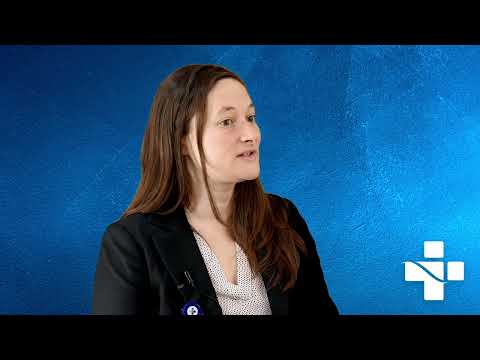
Our expert team of oncologists-hematologists, nurses, and support staff treat the whole person – body, mind, and spirit – offering comprehensive care tailored to each individual. Dr. Raafat Alameddine and Dr. Frédérique St-Pierre, Hematologists-Oncologists at Great River Health, along with Dr. William Rockey, Radiation Oncologist, are passionate about their connection with patients and committed to providing the best cancer care close to home.
“I chose Hematology Oncology as my field because my number one goal is to connect with patients. I feel that the most gratification I can get out of my work with patients is to create a strong connection,” said Dr. St-Pierre. “I really appreciate the opportunity to be that person to be there for them and their families. I want to be that person that they feel comfortable coming to.”
Click on the following links to meet all three of our specialists:
- Raafat Alameddine, MD | Hematology & Oncology https://youtu.be/ElcFA7M2y20
- Frédérique St-Pierre, MD | Hematology & Oncology https://youtu.be/zOmGIrR0ytw
- William Rockey, MD | Radiation Oncology https://youtu.be/_QLTXA1wwK4
These cancer specialists provide compassionate, expert care, offering medical and radiation oncology all in one location. They collaborate to create personalized treatment plans, including surgery, chemotherapy, radiation, transfusions, biopsies and immunotherapy. If patients are being seen by an oncologist at another facility, they can receive most FDA approved cancer treatments close to home at one of our three Great River Health locations. Click HERE to view the services offered locally at Great River Health campuses in Fort Madison, Mount Pleasant, and West Burlington.
What is Cancer?
Cancer is a group of diseases characterized by the uncontrolled growth and spread of abnormal cells. If not controlled, it can result in death. Cancer can develop in virtually any tissue or organ and may spread (metastasize) to other parts of the body.
There are over 100 different types of cancer, each with unique features, risk factors, and treatment options. According to the 2025 Cancer in Iowa report produced by the Iowa Cancer Registry, the top five new cancers diagnosed among Iowa residents include:
- Breast
- Prostate
- Lung
- Colon and rectum
- Skin melanoma
*New cancer cases mean cancers that were diagnosed as stages 1-4, as well as in situ (the earliest stage of cancer) or stage 0 bladder cancers.
The most fatal cancers in Iowa include lung, colon and rectum, pancreas, breast and prostate. The 2025 Cancer in Iowa report forecasts that Iowa will remain second in the nation for new cancer diagnoses, with approximately 491 new cancer cases per 100,000 people.
This projection seems grim, but there are proactive steps you can take. Early detection through screening and understanding your risk, including genetic predisposition, are key components in reducing the impact of cancer. Let’s take a closer look at these specific cancers.
Breast Cancer
Breast cancer is the most diagnosed cancer in women and the second leading cause of cancer-related deaths in women.
Risk Factors
Several risk factors may increase the likelihood of developing breast cancer, including:
- Age, family history, BRCA gene mutations
- Hormonal factors (early menstruation, late menopause)
- Personal history of breast conditions or cancer
- Lifestyle (obesity, alcohol, inactivity)
Symptoms
Breast cancer may not cause any noticeable symptoms in the early stages which is why regular screening is so important. However, as it develops, signs may begin to appear. Here are the most common symptoms to watch for:
Visible changes:
- A new lump in the breast or underarm (armpit)
- Swollen lymph nodes under the arm or around the collarbone
- Changes in breast size, shape, or skin texture
- Nipple discharge, inversion, or pain
It is important to note the following:
- Not all lumps are cancer. Many are benign (non-cancerous)
- Breast cancer can occur in both men and women, though it’s much more common in women
- Any new or unusual breast changes should be checked by a healthcare provider as soon as possible
- If you notice any of the above symptoms, even if they seem minor, consult with your primary care provider (PCP)
Screening for Breast Cancer
Routine screening is the best way to detect breast cancer early, often before symptoms appear. Discuss what is best for you with your healthcare provider. Click HERE to learn why annual screening is important from Baylee Hart, Heny County Health Center Mammography Technologist.
- Annual mammograms starting at age 40 (or earlier if high-risk)
- Additional tools: Breast MRI, Automated Breast Ultrasound (ABUS) for dense breasts
- Clinical Breast Exams and Self-Exams: No longer a primary recommendation for screening but being familiar with the look and feel of your breasts is important
Treatment
Breast cancer treatment is personalized based on cancer type, stage, and patient preference. May include surgery, radiation, chemotherapy, or hormone therapy or a combination.
Genetic Testing for Breast Cancer
Genetic testing for gene mutations like BRCA1, BRCA2, and PALB2 identifies those at higher risk. Those who should consider testing include:
- Strong family history
- Early breast cancer diagnosis
- Men with breast cancer
- Ashkenazi Jewish ancestry with related history
For more information and breast cancer resources, visit our Health Library.
Prostate Cancer
Prostate cancer is the second most common cancer in men. This type of cancer occurs in the prostate gland and is often slow growing but can be aggressive. Early detection is key.
Risk Factors
- Age 50+, African American race, family history (most common in men over 50)
- Diet and lifestyle
Symptoms
Early prostate cancer often causes no symptoms, but as it progresses, it may lead to:
- Difficulty urinating, weak urine flow, frequent urination
- Pain or burning during urination
- Blood in urine or semen
- Pain in the back, hips, or pelvis
- Erectile dysfunction
These symptoms can also be caused by other non-cancerous prostate conditions, like benign prostatic hyperplasia (BPH), so they should be evaluated by a doctor.
Screening for Prostate Cancer Screening aims to detect prostate cancer before symptoms appear, when treatment is most effective. Screening decisions should be made in consultation with your healthcare provider and is personalized based on age, race, family history, and overall health. Two screening options include:
- PSA Test (Prostate-Specific Antigen blood test)
- Digital Rectal Exam (DRE)
- If tests are abnormal, a prostate biopsy may be done to confirm diagnosis
- Start screening at age 50; earlier for high-risk men
Treatment
Many cases of prostate cancer are highly treatable, especially when detected early. Treatment ranges from active surveillance to surgery, radiation, hormone therapy, or chemotherapy based on stage and aggressiveness. Regular check-ups and talking with your healthcare provider about risks and screening can help catch prostate cancer early when it's most treatable.
For more information and resources related to prostate cancer, visit our Health Library.
Lung Cancer
Lung cancer is the leading cause of cancer death globally, mostly due to late-stage diagnosis. It is strongly linked to smoking, but non-smokers can also develop it. There are two main types of lung cancer:
- Non-Small Cell Lung Cancer (NSCLC): The most common type of lung cancer (about 85%) of cases). Tends to grow and spread more slowly.
- Small Cell Lung Cancer (SCLC): Less common but more aggressive and often spreads quickly to other parts of the body. Strongly linked to smoking.
Risk Factors for Lung Cancer
Anyone can develop lung cancer, but several factors increase the risk:
- Smoking tobacco (the leading cause), secondhand smoke
- Exposure to radon, asbestos, other carcinogens, family history
Even non-smokers can get lung cancer — around 10–20% of lung cancer cases occur in people who have never smoked.
Symptoms of Lung Cancer
In the early stages, lung cancer often causes no noticeable symptoms. As it progresses, common signs include:
- Persistent cough, coughing up blood
- Shortness of breath, chest pain, hoarseness or voice changes
- Unexplained weight loss, fatigue
Screening for Lung Cancer
Screening can detect lung cancer early, when it’s more treatable, even before symptoms appear. Recommended Screening Test:
- Low-Dose CT Scan for ages 50-80 with a 20+pack-year smoking history (current or quit within 15 years)
To learn more about what Great River Health offers for lung cancer and screenings, click here.
For more information and resources related to lung cancer, visit our Health Library.
Colorectal Cancer
Colorectal cancer, which includes cancers of the colon and rectum, is the second leading cause of cancer-related deaths, but it's also one of the most preventable and treatable when found early.
Risk Factors
Some people have a higher risk of developing colorectal cancer due to certain lifestyle, medical, or genetic factors. Key risk factors include:
- Age 45+, family history, personal history of colorectal polyps or inflammatory bowel disease, genetic syndromes
- Lifestyle factors that include diet, obesity, smoking, alcohol, inactivity
Symptoms of Colorectal Cancer
In its early stages, colorectal cancer often causes no symptoms, which is why regular screening is so important. As the disease progresses, some common symptoms may include:
- Blood in the stool, rectal bleeding, changes in bowel habits
- Persistent abdominal discomfort (cramping, gas, or pain)
- Unexplained weight loss, fatigue
Screening for Colorectal Cancer
Regular screening can prevent colorectal cancer by identifying and removing precancerous polyps, or detect it early when it's most treatable. Screening tests include:
- Colonoscopy: every 10 years
- Stool-Based Tests: annually; stool DNA test: every 3 years
- Flexible Sigmoidoscopy: every 5 years
- CT Colonography: every 5 years
Discuss screening options with your healthcare provider if you’re 45+ or have a family history of colorectal cancer, to determine the best choice based on your health, preferences, and risk level. Colorectal cancer is highly preventable and treatable when detected early. Being aware of the symptoms, knowing your risk factors, and staying on top of screening can make a life-saving difference.
For more information and resources related to colorectal cancer, visit our Health Library.
Skin Cancer
Skin cancer is the most common form of cancer globally, and while many types are highly treatable when caught early, awareness remains a crucial line of defense.
The three most common types:
- Basal Cell Carcinoma (BCC) – The most common, least aggressive
- Squamous Cell Carcinoma (SCC) – More likely to spread than BCC
- Melanoma – The most dangerous type, but also the rarest. It can spread quickly if not detected early.
Risk Factors
While anyone can develop skin cancer, certain factors increase your risk:
- UV Exposure (sun/tanning beds)
- Fair skin, history of sunburns or skin cancer
- Numerous or unusual moles
Symptoms
Early detection saves lives. Be aware of these signs:
- New or changing moles
- Persistent sores or lesions
- Sores that don’t heal, bleed easily, or crust over repeatedly
- Scaly or rough patches especially on areas like the face, ears, and arms
Screening
The following can help catch skin cancer early:
- Monthly self-checks
- Annual dermatologist exams (or more if high-risk)
- Biopsy for suspicious spots
Prevention Tips
Skin cancer can be prevented and is highly treatable when caught early. By understanding the risks, recognizing symptoms, and committing to regular screenings, you can protect yourself and your loved ones. Implement these simple daily habits:
- Use SPF 30+ daily (even on cloudy days); avoid tanning beds
- Wear protective clothing, wide-brimmed hats, sunglasses, seek shade
- Check skin regularly and see provider for changes
For more information and resources related to skin cancer, visit our Health Library.
The Role of Genetic Testing in Cancer Prevention
Beyond breast cancer, genetic testing can identify risks for several other cancers, including: ovarian, colorectal, pancreatic, prostate, endometrial (uterine).
Genetic testing helps identify individuals at higher risk for certain cancers, enabling early detection and personalized prevention strategies. Discussing testing options with your healthcare provider can guide informed decisions about your care. Genetic testing should be paired with genetic counseling to help interpret results and plan next steps.
Protect Yourself
Understanding your risk for cancer empowers you to make informed decisions about your health. Here’s how to take action:
- Talk to your PCP: Discuss your personal and family medical history. Your provider can assess your risk and recommend:
- Appropriate screenings
- Referrals to genetic counseling
- Preventative strategies
- Get Screened: Follow screening guidelines for your age, sex, and risk level. Early detection saves lives.
- Consider Genetic Counseling: If you have a strong family history of cancer or an early diagnosis, a genetic counselor can help you understand whether testing is right for you.
- Make Lifestyle Changes
- Avoid tobacco
- Limit alcohol
- Maintain a healthy weight
- Eat a balanced diet rich in fruits, vegetables, and whole grains
- Exercise regularly
- Use sun protection
- Share Family History: Talk to your relatives about any known cancer diagnoses or genetic test results. This can help others make informed choices.
The Future
Oncology is rapidly advancing, improving survival and quality of life worldwide. While cancer affects many families, knowledge through screening, genetic testing, and open dialogue with healthcare providers is a powerful tool for prevention, early detection, and treatment.
If you have questions about screenings or risk assessments, talk to your healthcare team. Great River Health is dedicated to compassionate, comprehensive care that empowers every patient with the tools and support you need. Click to learn more about health screenings and view a list of our primary care clinics.