At Great River Health, we provide the right level of inpatient care to meet the needs of all our patients. With three hospital locations, we can offer a wide range of specialized care staffed by a team of medical professionals who are specially trained for each unit. While in the hospital, your care may be overseen by one of our hospitalists. Patients are assigned to care units based on the type and severity of their conditions.
Inpatient services are available across our three hospital locations:
- Southeast Iowa Regional Medical Center, West Burlington, is a regional referral hospital with a total of 150 inpatient beds
- Southeast Iowa Regional Medical Center, Fort Madison, is a rural hospital with a total of 50 inpatient beds
- Henry County Health Center, Mount Pleasant, is a critical access hospital with a total of 25 inpatient beds
Inpatient services
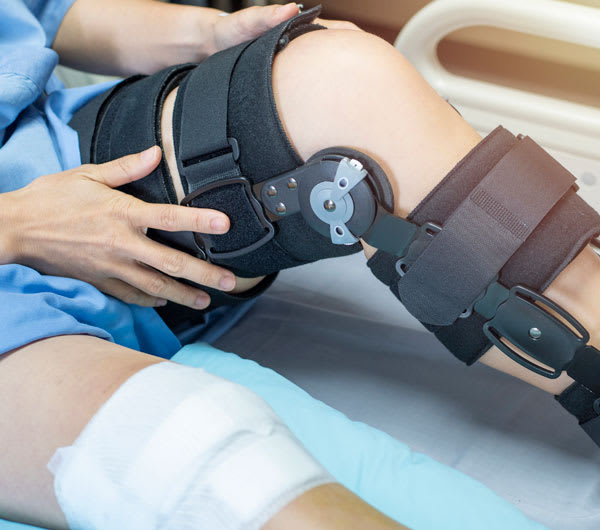
Acute/Telemetry Care Unit

Behavioral Health Unit
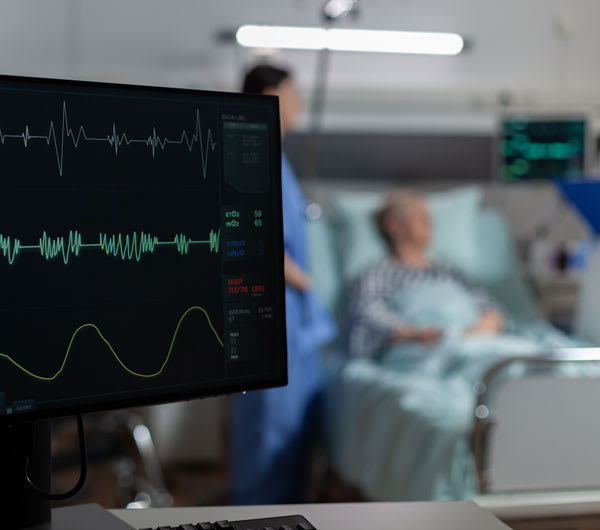
Cardiovascular Care Unit (CCU)
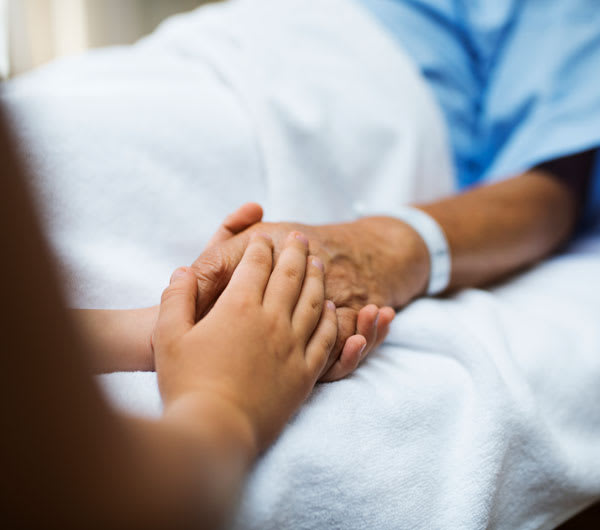
Intensive Care Unit (ICU)

Maternal Child Unit

Pediatric Care Unit

Swing bed program
Hospitalists

A hospitalist is an inpatient specialist who cares for patients in the hospital. Most hospitalists are internal medicine or family medicince providers. At Southeast Iowa Regional Medical Center and Henry County Health Center, medicine hospitalists are family medicine and internal medicine providers. Hospitalists work in partnership with the patient’s primary care provider to provide the highest standard of care during a patient’s hospital stay. Hospitalists will:
- Assess and treat a patient’s medical condition
- Coordinate patient hospital care
- Review patient progress with their provider
- Transition medical care back to the primary care provider at patient discharge
How does the hospitalist help me?
- Availability: Because hospitalists work in the hospital, they can see patients more than once a day if needed. A hospitalist also is often close by if an emergency occurs, and they will call and work with other specialists on staff when needed. Hospitalists can speed the recovery process by ordering tests and treatments, reviewing results, and adjusting treatments throughout the day based on test results.
- Communication: Hospitalists often are available to answer patients’ and family members’ questions in person whenever possible. During stressful moments, they can provide honest and considerate answers to questions. Because hospitalists are usually in the hospital, they can spend more time talking to patients and their family members about their care.
- Increased primary care appointment time: Because hospitalists are in the hospital all day, your primary care provider does not have to be here. That means your provider can devote more time to keeping you and your family healthy. Your primary care provider can be with you in the office with fewer delays and interruptions, and the hospitalist is more available to care for you when you are at your sickest.
When will I see my primary care provider?
During your stay, your hospitalist will be in contact with your primary care provider to discuss your medical history and collaborate on the most appropriate plan for your course of treatment. You may feel free to speak with your primary care provider anytime during your hospital stay.
What happens when I am discharged?
Our Hospitalist Program will transfer your care to your primary care provider. We will schedule a follow-up appointment with your provider within 10 days of your hospital discharge. If long-term or skilled nursing care is required, we will work with your primary care provider and hospital staff to help you find a facility that offers the care you need.
If you have questions or concerns about your care, please call Southeast Iowa Regional Medical Center’s Patient Experience Officer at 319-768-4906 or Henry County Health Center at 319-385-6593.
Patient testimonials